Africa | Swaziland (Eswatini) | Manzini

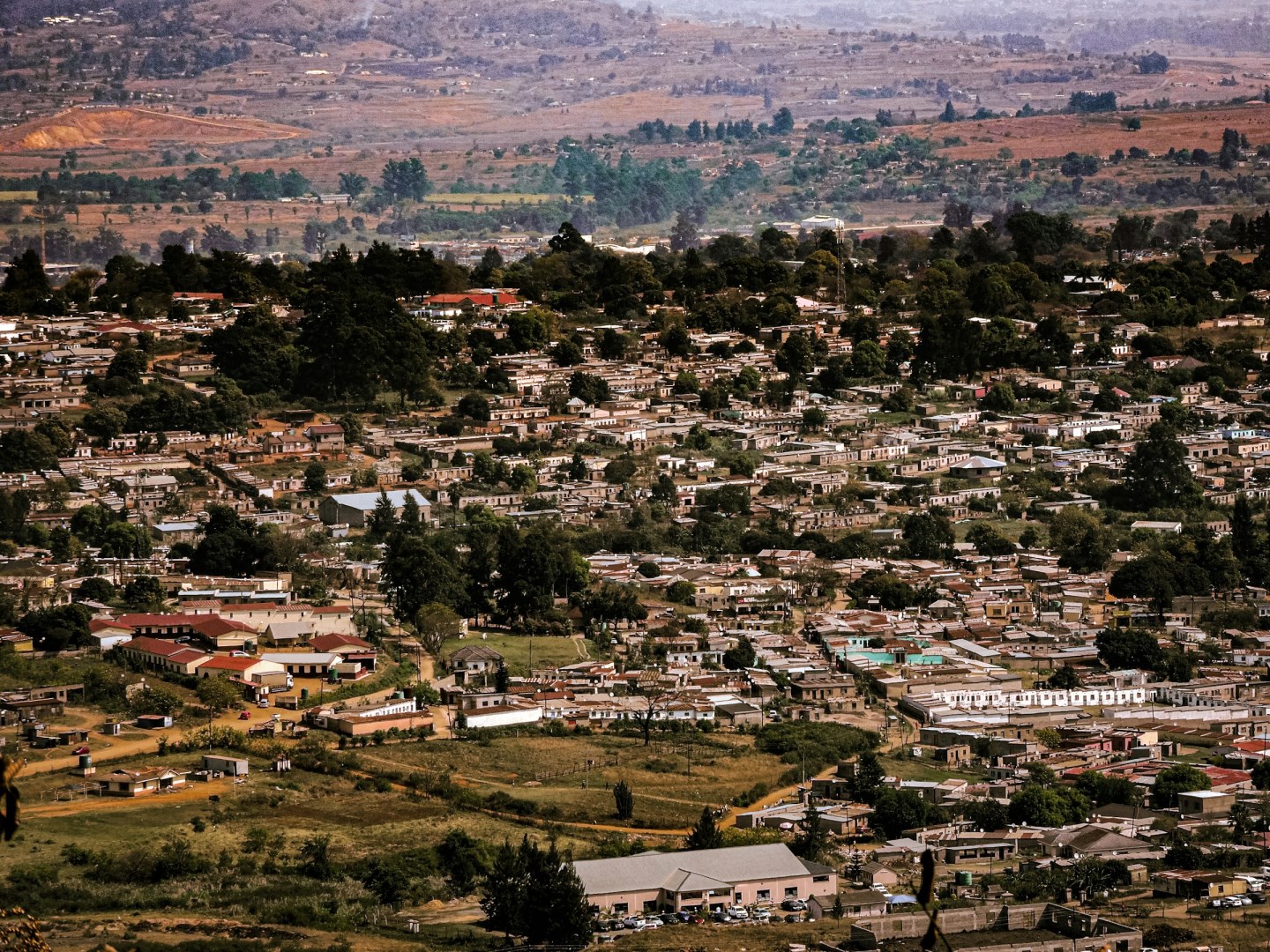
Manzini is Eswatini’s largest city and a major commercial centre in the country’s central region. It lies in the Middleveld, where rolling hills, grasslands, cultivated fields, and wooded areas surround a busy urban centre. The city is an important transport and trading hub, connecting communities across Eswatini and providing access to nearby towns and attractions. Its central position also makes it a practical base for exploring other parts of the country. Markets, shopping areas, restaurants, hotels, and business districts give Manzini a distinctly urban character within Eswatini’s predominantly rural landscape.
Manzini’s cultural identity is closely connected with Swazi traditions, siSwati language, music, dance, and craftwork. The city is home to the busy Manzini Market, where vendors sell fresh produce, clothing, household goods, traditional medicines, and locally made crafts. Traditional cultural practices remain visible in the wider region through ceremonies, community gatherings, and performances. Manzini also has an important place in Eswatini’s modern economic history, having developed as a centre for trade, manufacturing, and transport. Its position near the Matsapha industrial area has further strengthened its role as one of the country’s principal economic centres.
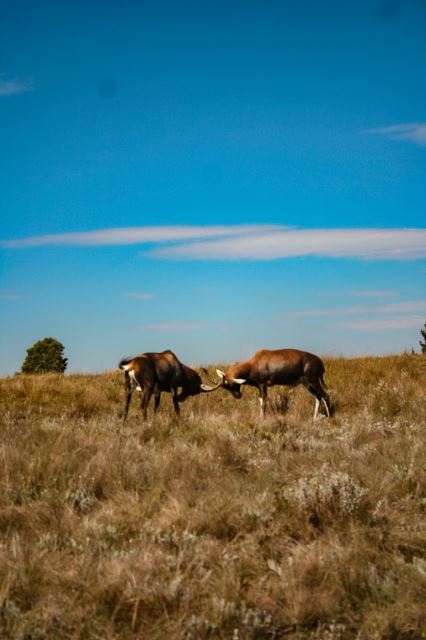
The city provides access to several attractions in and around the Middleveld. Malkerns Valley, located nearby, is known for craft centres, agricultural estates, and the Mantenga Cultural Village, where visitors can learn about traditional Swazi homes, music, dance, and daily life. The Ezulwini Valley is also within reach, with mountains, nature reserves, cultural sites, and recreational attractions. Within Manzini itself, the market and central commercial areas offer opportunities to observe everyday local activity. The nearby Mlilwane Wildlife Sanctuary provides a contrasting landscape of grassland and hills, with zebra, antelope, hippos, and numerous bird species.
Food in Manzini reflects both traditional Swazi cooking and the wider southern African culinary landscape. Maize is an important staple and appears in dishes such as pap, while beans, vegetables, meat, and sour milk are common components of local meals. Restaurants and markets also serve grilled meats, stews, baked goods, and international dishes. The city’s markets are particularly useful for finding seasonal produce and locally prepared foods. A notable feature of Manzini is its proximity to Matsapha, Eswatini’s main industrial and transport area, which has helped make the city a key meeting point for commerce, travel, and communities from across the country.
Other Popular Destinations in Swaziland (Eswatini)