Africa | Swaziland (Eswatini) | Malolotja National Park

Malolotja Nature Reserve, often referred to as Malolotja National Park, lies in the northwestern highlands of Eswatini, close to the South African border. Covering more than 18,000 hectares, it protects one of the country’s largest areas of mountain wilderness, with rolling grasslands, deep valleys, wetlands, woodland, and mistbelt forest. The reserve stretches across rugged terrain along the eastern escarpment, with elevations ranging from high mountain ridges to lower river valleys. Its cool highland setting and largely undeveloped landscape distinguish it from Eswatini’s warmer, lower-lying wildlife areas.
Malolotja has cultural and geological significance as well as natural importance. The reserve contains ancient rock formations, including rocks associated with some of the oldest geological material found in the region. The surrounding highlands have long been connected with Swazi communities, while historic mining activity at nearby Ngwenya has left an important archaeological and cultural legacy. Conservation is managed by the Eswatini National Trust Commission, which protects the area’s natural and cultural heritage. The reserve also supports environmental education and community-focused conservation, linking its protected landscapes with Eswatini’s wider heritage.
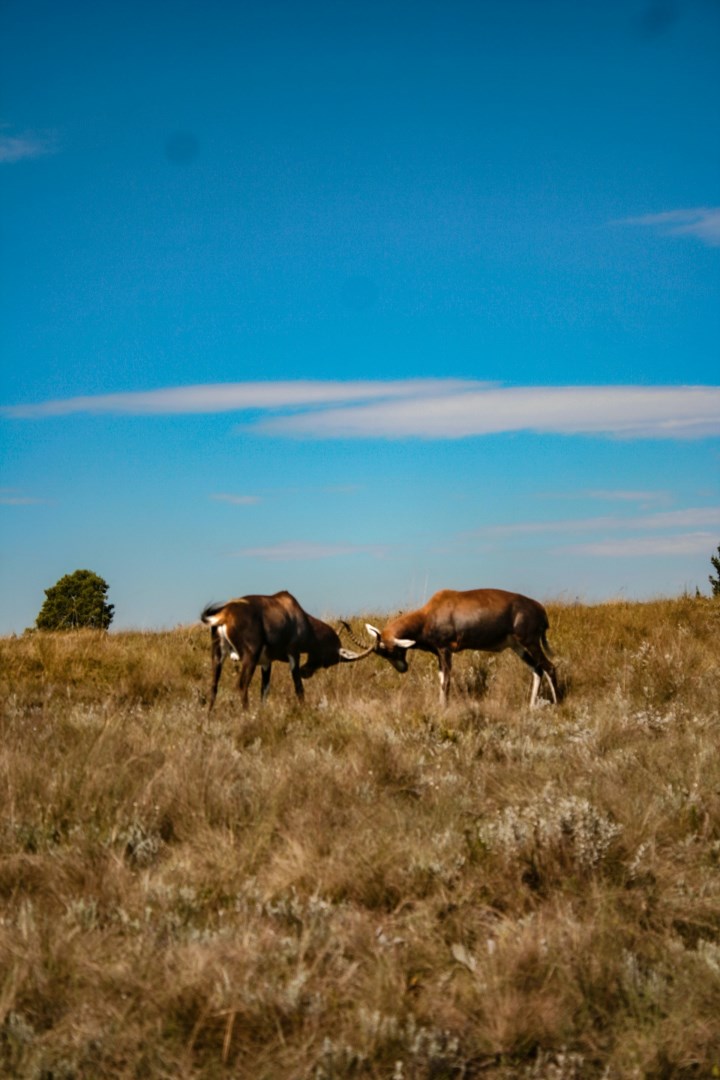
The reserve is known for its mountains, river gorges, waterfalls, and extensive hiking network. The Malolotja River rises within the reserve before dropping over Malolotja Falls, regarded as Eswatini’s highest waterfall, and continuing toward the Nkomati River. Ngwenya Mountain and other high ridges provide broad views across the surrounding countryside. Wildlife includes zebra, blesbok, blue wildebeest, grey rhebok, mountain reedbuck, oribi, leopard, serval, and aardwolf. More than 280 bird species have been recorded, including the endangered blue swallow and southern bald ibis. Hiking, birdwatching, cycling, and guided activities are available.
Malolotja is particularly noted for its highland vegetation and seasonal displays of wildflowers. Grasslands support lilies, orchids, red-hot pokers, and other flowering plants, while protected valleys contain forest and threatened cycad species. The reserve’s canopy tour crosses forested sections of the Majolomba River gorge using elevated platforms, zip lines, and a suspension bridge. Its varied terrain also creates habitats for unusual species such as the Swazi thick-tailed rock gecko. Unlike many safari destinations, Malolotja is primarily experienced through walking, hiking, and exploration of its mountain landscape, making its geological formations, plant life, birds, and smaller mammals important parts of the experience.
Other Popular Destinations in Swaziland (Eswatini)